Bring one diary
A Kinolog member starts the room with the taste history they already have. Letterboxd imports work too.
Movie night picker
One of you brings a real movie diary. The other can answer a quick taste deck from a link, with no account and no app. Kinolog scores the room together and leaves out anything either person has already seen.
Tonight’s room
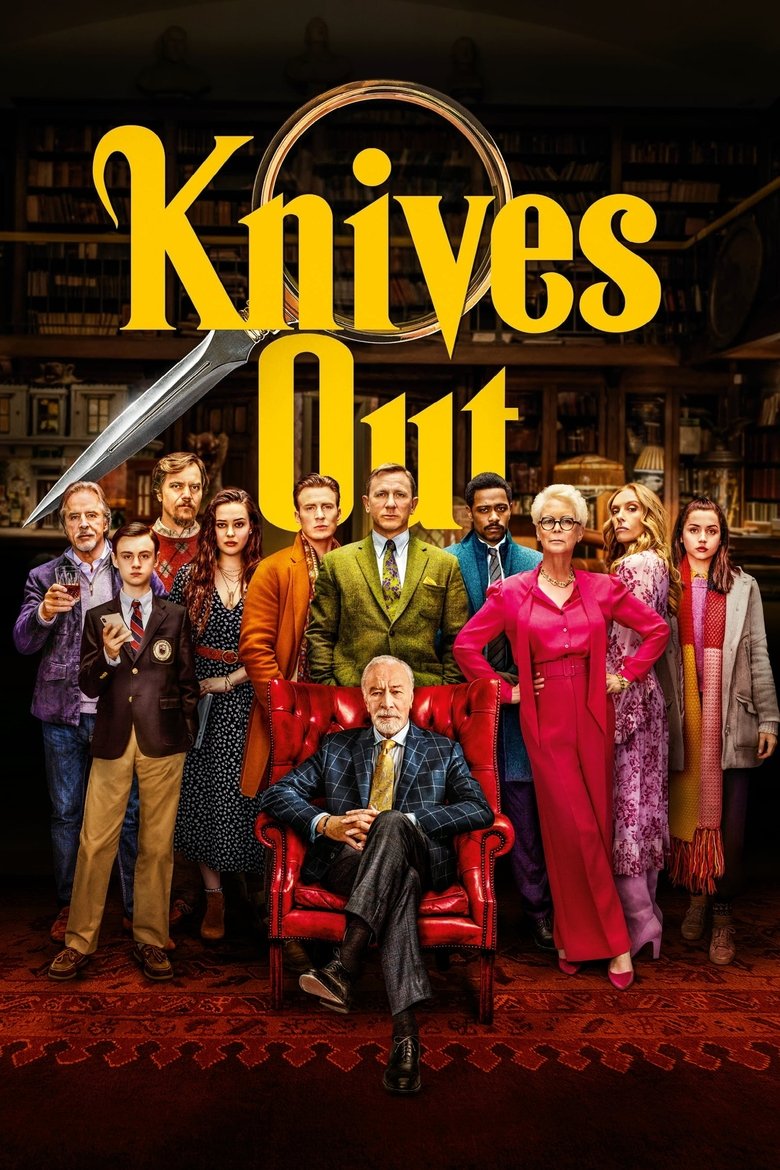
Works for both of you
Knives Out
2019 · 130 min · Mystery
You rated Parasite 5★, and Maria loved The Grand Budapest Hotel in her quiz: a sharp, funny ensemble mystery sits right between you.
Also for you two




A Kinolog member starts the room with the taste history they already have. Letterboxd imports work too.
The other person answers a handful of films in the browser. No account is required for the invited guest.
The picker ranks films for both tastes, excludes both seen lists and explains why the top options fit the room.
Built for the real friction
Requiring two signups before a movie starts is exactly the kind of friction that kills movie night. The invite link is deliberately asymmetric: one person owns the room, the guest can participate without becoming a Kinolog user.
If the guest already has Kinolog, they can bring their own diary instead. Their private diary remains theirs; the room only uses the overlap needed to avoid recommending something they have already seen and to score the shared fit.
Build a private diary once and Kinolog can reuse that taste for Tonight, Find and future Movie Night rooms instead of starting from a blank questionnaire every time.
See the movie diary