01
Give it evidence
Rate films you know, log real watches, or bring your Letterboxd history.
How Kinolog works
You give Kinolog evidence. It turns that evidence into a read of your taste, uses the read to choose films, predicts where a movie may land for you, then keeps score when you finally rate it.
Your taste · 163 films
Slow, cerebral science fiction is your strongest kind of film.
+0.6★vs 3.9★ average · 12 films
How you rate · 80 films
The loop
01
Rate films you know, log real watches, or bring your Letterboxd history.
02
Taste shows the patterns it can defend and keeps the films behind each claim attached.
03
Tonight ranks a small set for you; Plus can reveal the personal star before you watch.
04
Rate the film later and Kinolog keeps the receipt, learns from the miss, and updates the next read.
Start with what you already know
Calibration is the fast door: rate films you already know and Kinolog waits for enough useful answers before it says it has a read on you.
Logging and imports are stronger evidence. Real watches keep dates, rewatches, notes and exact stars separate from quick calibration, so the model never quietly calls a swipe a diary entry.
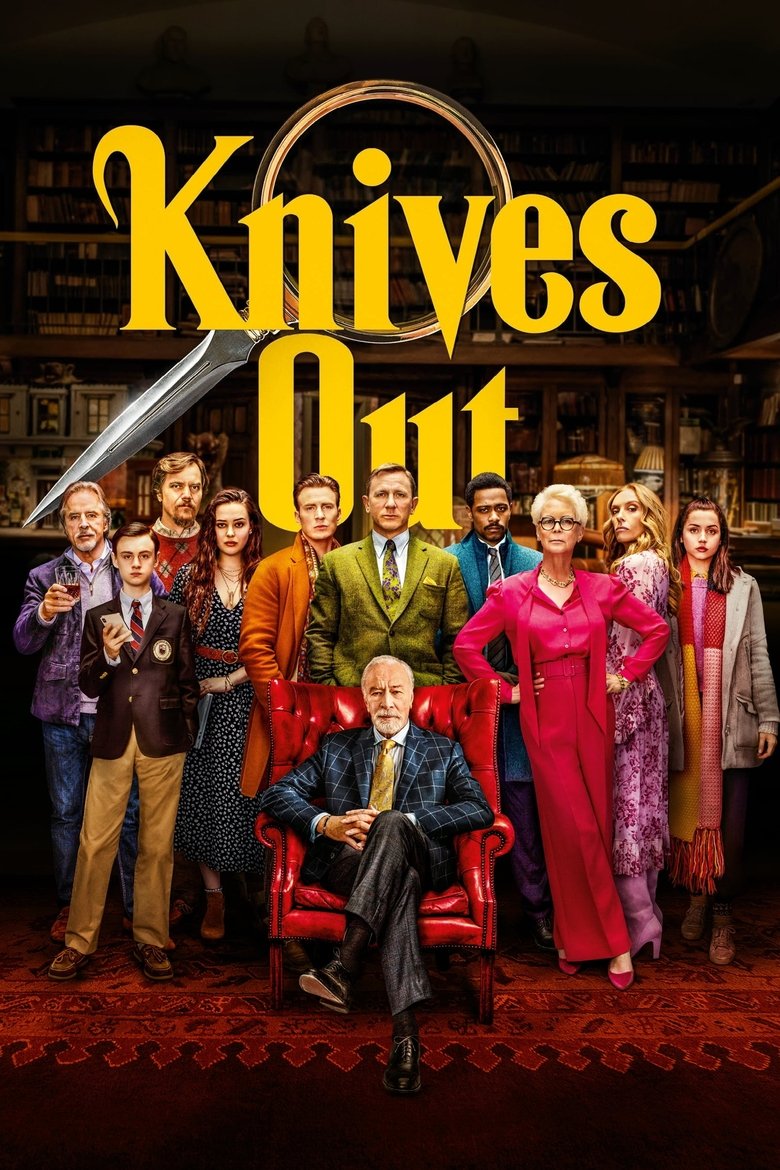
September · 24 films

SEP 22
★★★★½
SEP 20
★★★★★
SEP 18
★★★★½
SEP 15
★★★★
SEP 12
★★★★
SEP 9
★★★½
SEP 6
★★★★★
SEP 3
★★★★Taste
Taste is not a personality quiz result. It is a living read built from your own ratings, the people and kinds of films that move them, and the films that caused each claim.
Free gets a useful read. Plus adds the deeper rating drivers, the full Taste Story and history over time once there is enough real evidence behind them.
Your taste · 163 films
Slow, cerebral science fiction is your strongest kind of film.
+0.6★vs 3.9★ average · 12 films
How you rate · 80 films
Tonight
Tonight starts from your history and gives you a small set built for the decision you are actually making now. Runtime and mood chips can re-aim that set without turning the page into search results.
The ranking is personal on every plan. When the personal star model is ready, Plus can reveal the exact predicted rating and the evidence behind it before you press play.
Tonight
Arrival
2016 · 116 min · Science fiction
4.4★predicted for you
Why 4.4★


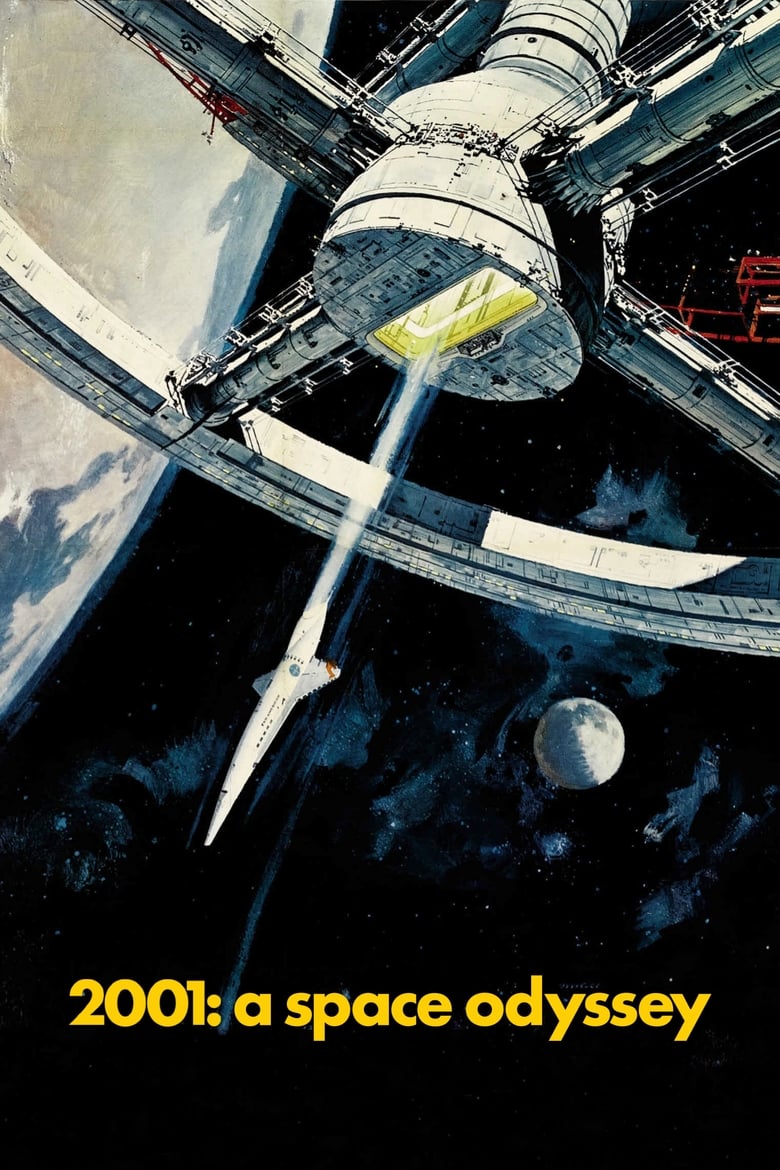
You rated these 4.5★ and up: quiet, idea-driven science fiction.
Find
“Something tense but not bleak, under two hours” can stay a sentence. Find combines the request with your own history, excludes what you have already seen or ruled out, and verifies titles before they become recommendations.
What do you want tonight?
Three you haven’t seen, all under two hours

Get Out4.3★
104 min · Tension that pays off, with a sense of humour.
Ex Machina4.1★
108 min · A slow squeeze, close to films you rate highest.
Arrival4.4★
116 min · Suspense with a hopeful ending, nothing bleak.
Never something already in your diary.
Movie Night
Add another Kinolog reader or let a guest answer a tiny taste deck. Movie Night looks for something nobody on the couch has seen and scores the same candidate against everyone rather than pretending one person represents the room.
Tonight’s room
Works for both of you
Knives Out
2019 · 130 min · Mystery
You rated Parasite 5★, and Maria loved The Grand Budapest Hotel in her quiz: a sharp, funny ensemble mystery sits right between you.
Also for you two
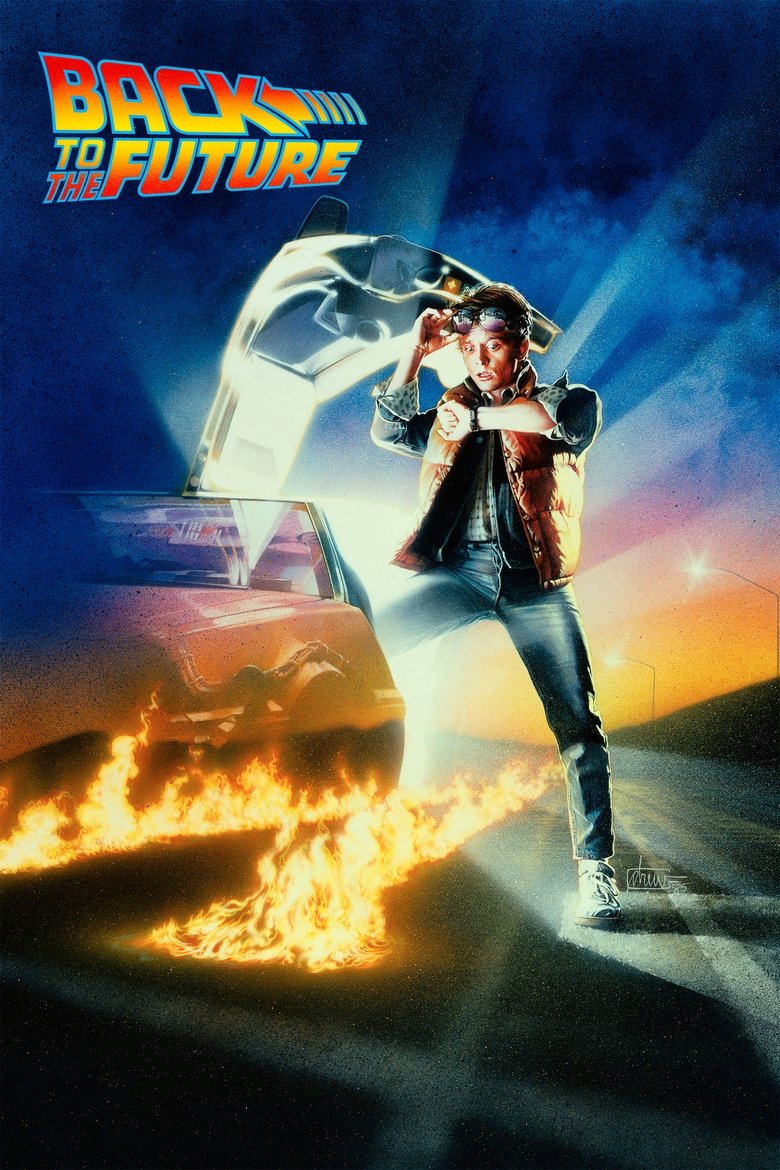
The accountable part
If Kinolog showed you a personal star before the watch, that exact number is frozen as the call. When you later rate the film, the two numbers can finally be compared.
Misses do not disappear. Enough prospective results can correct a persistent high-or-low bias and lower confidence in slices where the model has a weak record.
Prediction accuracy
It keeps score on itself
● Called it 14● Close 9● Missed 3
Latest calls

Around the loop
The future half of the diary, available as its own tab.
Films you said you had seen can wait for a proper date, star and note.
Ask your own history from anywhere without opening Diary.
Reread what you actually watched, with dated history kept honest.
Bring Letterboxd history in; take your data back out whenever you want.
A quick tune-up when you want the model to learn a thin part of your taste.